Private Mortgages Toronto: When Banks Say No
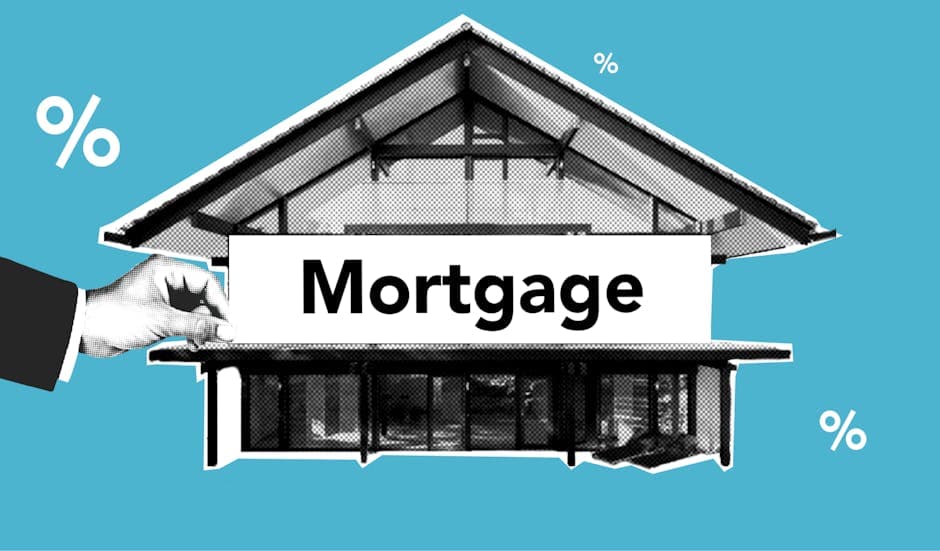

When a traditional bank turns down your mortgage application in Toronto, it can feel like the door to homeownership, refinancing, or investment is permanently closed. For many borrowers, a private mortgage offers an alternative path. Private mortgages are short-term, asset-based loans secured by real estate, provided by individuals, private companies, or investment groups rather than banks or credit unions. They are designed for situations where speed, flexibility, or unconventional financial circumstances make conventional lending impossible.
Vantage Private Lending Corporation provides private first and second mortgages across Toronto and Ontario, with funding in as little as 5–10 business days.
What Is a Private Mortgage in Toronto?
A private mortgage is a loan secured by a property that comes from a private lender rather than a regulated financial institution. According to the Financial Services Regulatory Authority of Ontario (FSRA), private mortgages are typically used as a temporary financing option for one or two years. Private lenders can be individuals, small investment groups, or companies that lend their own capital. These loans can be used for residential homes, commercial properties, industrial real estate, and even vacant land, as noted by DV Capital Corp. In Toronto, private mortgages are most common among borrowers who cannot meet the strict income or credit requirements of traditional lenders.
Why Banks Say No and Private Lenders Say Yes
Traditional banks rely on strict criteria: a high credit score, documented income, low debt-to-income ratio, and passing the mortgage stress test. Borrowers who are self-employed, have recent credit blemishes, or own properties with unique characteristics often fail to qualify. Private lenders take a different approach. FSRA explains that private lenders often base their decision on the property's value rather than the borrower's income. This focus on the asset itself allows private lenders to say yes when banks say no, even if the borrower has less-than-perfect credit or irregular income.
Credit Score and Income Flexibility
Because private lenders prioritize collateral, they can accommodate borrowers with lower credit scores. The rate a borrower pays, however, depends on their credit profile. According to WOWA.ca, second mortgage rates from private lenders in Ontario range from 8.54% for borrowers with credit scores of 680 or higher to 11.5% for those with scores between 550 and 600 (rates as of May 19, 2026). This flexibility means that even borrowers who have been declined by banks can still access financing, though at a higher cost.
No Mortgage Stress Test
One of the biggest barriers to traditional lending in Canada is the mortgage stress test, which requires borrowers to prove they could afford payments at a much higher interest rate. Clover Mortgage confirms that private mortgages bypass the stress test entirely. This exemption makes private mortgages attractive to borrowers whose income is sufficient to cover actual monthly payments but fails the simulated test.
Private Mortgage Rates and Costs in Toronto
Private mortgage rates in Toronto are higher than conventional rates due to the increased risk taken on by the lender. WOWA.ca reports that first mortgage rates from private lenders in Ontario start at 5.49% and can exceed 10%, depending on the loan-to-value ratio and the borrower's credit. For second mortgages, rates are higher across the board. In addition to interest, borrowers should expect several upfront and ongoing costs: lender fees, broker fees, legal fees, and appraisal costs. These extras can add thousands of dollars to the total cost of the loan.
Typical Interest Rates (as of May 2026)
The following rate ranges are based on data from WOWA.ca for private mortgages in Ontario. Actual rates in Toronto may vary depending on property type, location, and lender terms.
| Loan Type | Credit Score | Interest Rate Range |
|---|---|---|
| First Mortgage | Any | 5.49% – 10%+ |
| Second Mortgage | 680+ | 8.54% |
| Second Mortgage | 650–679 | 9.99% |
| Second Mortgage | 600–649 | 10.49% |
| Second Mortgage | 550–600 | 11.50% |
Additional Fees and Costs
Beyond interest, private mortgage borrowers pay lender fees (often a percentage of the loan amount), broker fees for arranging the mortgage, legal fees for registration and documentation, and appraisal costs to confirm the property's value. These fees are typically paid upfront or added to the loan principal. FSRA advises borrowers to understand all costs and to have a realistic exit strategy before signing any agreement.
Private vs. Traditional Mortgages: A Comparison
To help Toronto borrowers understand the differences, here is a direct comparison based on information from Clover Mortgage and FSRA.
| Factor | Private Mortgage | Traditional Mortgage |
|---|---|---|
| Approval speed | Faster | Slower |
| Credit requirements | Flexible | Strict |
| Interest rates | Higher | Lower |
| Repayment terms | Short (1–2 years typical) | Long (5–30 years) |
| Mortgage stress test | Not required | Required |
| Loan basis | Primarily property value | Primarily income and credit |

When to Consider a Private Mortgage in Toronto
Private mortgages are best suited for short-term financing needs. FSRA notes that they are typically intended as a temporary option for one or two years. Common scenarios include buying a property when you cannot document income as a traditional lender requires, bridging the gap between selling your current home and purchasing a new one, financing a renovation before refinancing into a conventional mortgage, or acquiring an investment property that does not meet bank guidelines. In many cases, these loans are interest-only, meaning the borrower pays only the interest each month and does not reduce the principal balance.
Short-Term Bridge Financing
Bridge loans are a popular use of private mortgages in Toronto. A private lender can provide funds quickly to close on a new property while the borrower waits for their current home to sell or for another source of permanent financing to come through. Because terms are short, typically one year, borrowers need a clear exit strategy. FSRA advises that borrowers should plan to qualify for lower-cost financing, such as a traditional mortgage, after the private term ends.
Investment Properties and Land
Private lenders are often willing to finance properties that banks avoid. DV Capital Corp reports that private mortgages can be used for residential, commercial, industrial, and land properties. This flexibility makes private lending a go-to option for real estate investors in Toronto who need to close quickly on an unconventional asset or who have a track record of successful flips that do not fit standard guidelines.
Important Considerations Before Getting a Private Mortgage
A private mortgage can solve a short-term problem, but it comes with higher costs and greater risk. FSRA emphasizes that renewal is not guaranteed, so borrowers must have an exit plan. Whether that plan involves selling the property, refinancing with a traditional lender, or using another financial windfall, it needs to be realistic. Additionally, always work with a FSRA-licensed mortgage professional. In Ontario, anyone arranging a private mortgage must hold a license from the regulatory authority. This ensures that you receive proper advice and that the loan is set up correctly. Finally, remember that interest-only payments do not lower your debt, your principal remains the same throughout the term.
Frequently Asked Questions
What credit score do I need for a private mortgage in Toronto?
Private lenders are more flexible than banks. Rates vary by credit tier. For second mortgages, credit scores of 680 or higher qualify for rates around 8.54%, while scores between 550 and 600 see rates up to 11.5% (WOWA.ca data as of May 2026). Each lender sets its own criteria, so there is no single minimum score.
Can I get a private mortgage if I am self-employed?
Yes. Private lenders focus on property value rather than personal income, according to FSRA. This makes private mortgages accessible to self-employed borrowers, gig workers, and others who cannot provide the traditional income documentation required by banks.
How long does a private mortgage term last?
Private mortgages are typically short-term, often one to two years (FSRA, DV Capital Corp). After the term ends, renewal is not guaranteed. Borrowers must have a plan to transition to lower-cost financing or sell the property before the term expires.
Are private mortgages regulated in Ontario?
Yes. The Financial Services Regulatory Authority of Ontario (FSRA) oversees mortgage brokers and lenders. All mortgage professionals arranging a private mortgage in Ontario must be licensed by FSRA. Borrowers should verify their broker's license before proceeding.
Private mortgages in Toronto offer a lifeline when banks say no, but they require careful planning. They provide fast access to capital based on real estate value, bypassing the income and stress test hurdles of traditional lending. However, the higher interest rates, additional fees, and short terms make them a temporary solution. By working with a licensed mortgage professional and preparing a realistic exit strategy, Toronto borrowers can use private mortgages to achieve their immediate real estate goals and move toward more permanent financing.